
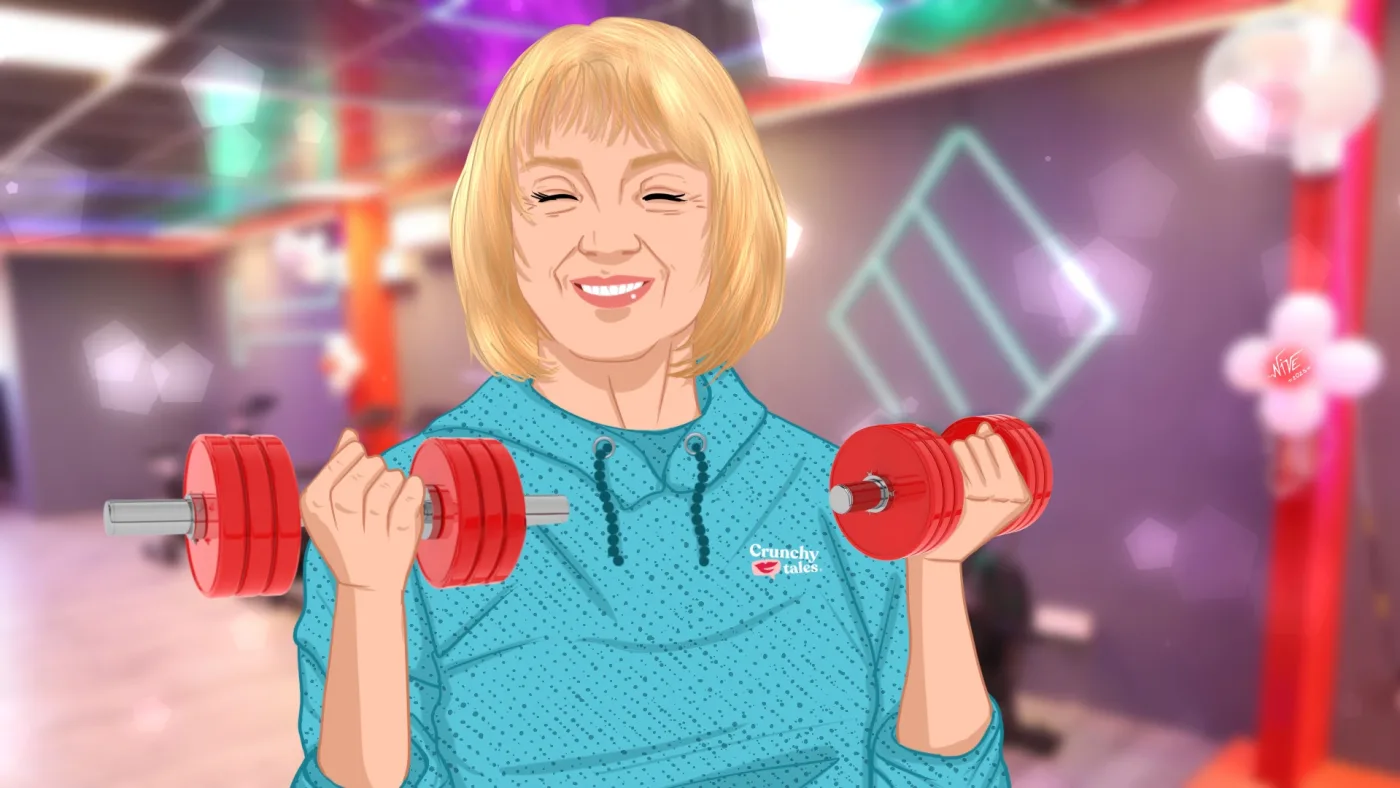
The Best Sports to Take Up in Every Midlife Decade
As a wellbeing editor, I’ve spent years exploring the ways women can stay healthy, active, and happy through midlife. Over countless interviews, research studies, and hands-on experiences, I’ve discovered that the “best” sport at midlife isn’t just about burning calories or a trendy workout: many women often opt for exercises that support their body, mind, and confidence.
But still it’s not always easy to find the one to fall in love with. Too often motivation is the first thing to reactivate, that’s why it’s so important to skip fleeting trends and instead fall in love with a workout routine designed specifically for your body, lifestyle, and goals.
“There’s a common misconception that only structured gym routines or intense cardio sessions ‘count’ as worthwhile exercise – explains Dr Cheryl Lythgoe, Industry and Medical Experts at Benenden Health–. However, while frequent exercise sessions, such as weight-lifting, cycling, or team sports, are a fantastic habit for healthy ageing, it’s crucial not to overlook the importance of regular daily movement. When it comes to cardiovascular health and healthy ageing, long periods of sedentary time and inactivity can have a serious impact“.
Her advice? Focus on increasing your Non-Exercise Activity Thermogenesis (NEAT), which is all the movement you do outside of formal exercise. “You can do this by incorporating small activities into your day – she continues- such as marching on the spot while waiting for the kettle to boil, choosing to take the stairs, or swapping a sit-down coffee catch-up for a walk. Ultimately, the primary goal is simply to break up long periods of sitting“.
Still searching for your ideal workout? Here’s what works best for women in their 40s, 50s, 60s, and beyond.

The Best Sports In Your 40s: Yoga, Pilates and Martial Arts
When I turned 45, I started to notice subtle changes: I’d ache after long hours at my desk, and my flexibility wasn’t what it used to be. That’s when a friend of mine suggested I start looking into yoga, pilates, and martial arts. Not all at once, but I wanted to explore each of them to see what my body really needed.
Yoga was where I began. At first, I couldn’t even touch my toes, and sitting cross-legged for more than a few minutes made my hips ache. But something about the slow, intentional movement — the focus on breathing — drew me in. Over time, I started noticing subtle but powerful changes: my posture improved, my shoulders dropped away from my ears, and the chronic tightness in my lower back started to fade. I felt calmer, lighter. As yoga master B.K.S. Iyengar once said, “Yoga is for everyone. It helps to integrate the mental and the physical plane, bringing about a sense of inner and outer balance.”
It turns out there’s strong science behind that feeling. A study in the Journal of Women & Aging found that women aged 45–80 who practiced yoga regularly reported higher vitality and psychological well-being. A 2023 meta-analysis in BMC Women’s Health confirmed that yoga improves sleep quality, bone density, and mood while reducing fatigue and anxiety in women over 40. Even short morning sessions can lower stress hormones and increase flexibility — something I could literally feel after a few weeks.
Then came Pilates, which I approached with equal parts curiosity and humility. My first session was humbling: tiny, precise movements that looked simple were surprisingly intense. But the results were undeniable. My core felt stronger, my posture more upright, and I started standing taller without even thinking about it.
Pilates taught me to move with control rather than force. Research backs that up: a study in Sage Journals found that regular Pilates training significantly improves core stability, balance, and spinal mobility, and even helps preserve bone density in middle-aged and postmenopausal women.
In my case, after about two months of twice-weekly sessions, I noticed my persistent lower back discomfort had eased dramatically.
Finally, I dipped my toes into martial arts, starting with Tai Chi and later some light kick-based classes. At first, I felt a little out of place, surrounded by people who seemed far more coordinated than I was, but once I relaxed into it, I realized how powerful these slow, flowing movements could be.
Tai Chi, in particular, became a moving meditation for me. It sharpened my focus and made me feel grounded and strong in a different way than yoga or Pilates ever had. Science supports this experience too: a 2021 review in Sports found that martial arts training for adults over 40 improves balance, reaction time, and lower-body strength. Tai Chi, specifically, has been shown to reduce fall risk by up to 43% in older adults, according to the Journal of the American Geriatrics Society.
Experts agree that combining strength, mobility, and coordination practices in your forties is one of the most effective ways to maintain muscle mass, joint health, and hormonal balance.
Personally, a short morning routine, a few yoga stretches, some Pilates-inspired core work, and a short Tai Chi sequence, has become my anchor. My body feels more capable now than it did at 30, and my mind feels clearer, calmer, and more confident. It’s not just exercise anymore, it’s a practice of coming home to myself.
The Best Sports to Try in Your 50s: Swimming and Weightlifting
There’s something magical about being buoyant in water: the pressure on your knees and hips disappears, yet every stroke activates muscles across your body and challenges your heart and lungs. Swimming offers the rare combination of low-impact movement with high-impact benefits.
According to a large study published in the British Journal of Sports Medicine, regular swimmers had a 28% lower risk of early death and a 41% lower risk of dying from heart disease or stroke compared to non-swimmers. The buoyancy of water reduces joint load by up to 90%, making it ideal for people experiencing the early effects of arthritis or joint stiffness.
Dr. Kathleen Jordan, a women’s health specialist and Chief Medical Officer at Midi Health, notes, “Swimming strengthens muscles and bones without putting undue pressure on joints, while improving cardiovascular health.” Sports medicine expert Dr. Michael Joyner from the Mayo Clinic also adds that the resistance of water provides a natural form of strength training, engaging stabilizing muscles often neglected in gym workouts.
For me, two or three sessions a week felt like a reset for my body , equal parts meditation and movement.
To keep bones strong and metabolism steady, I paired swimming with weight training. Resistance exercise is crucial in your 50s, as muscle mass naturally declines by about 1% per year after 40, a process called sarcopenia. Lifting weights, even modest ones, helps maintain lean muscle, bone density, and balance.
I’ve also become fascinated by cold swimming , immersing in lakes or the sea. Beyond the thrill of cold water, studies from the University of Portsmouth suggest that regular cold-water swimming may boost mood, support immune function, and even help regulate stress hormones. There’s something grounding about it: being outdoors, immersed in nature, literally and mentally lighter.
Together, swimming and strength training form a powerful duo — one builds calm endurance, the other resilience. At 50, it’s longevity in motion.
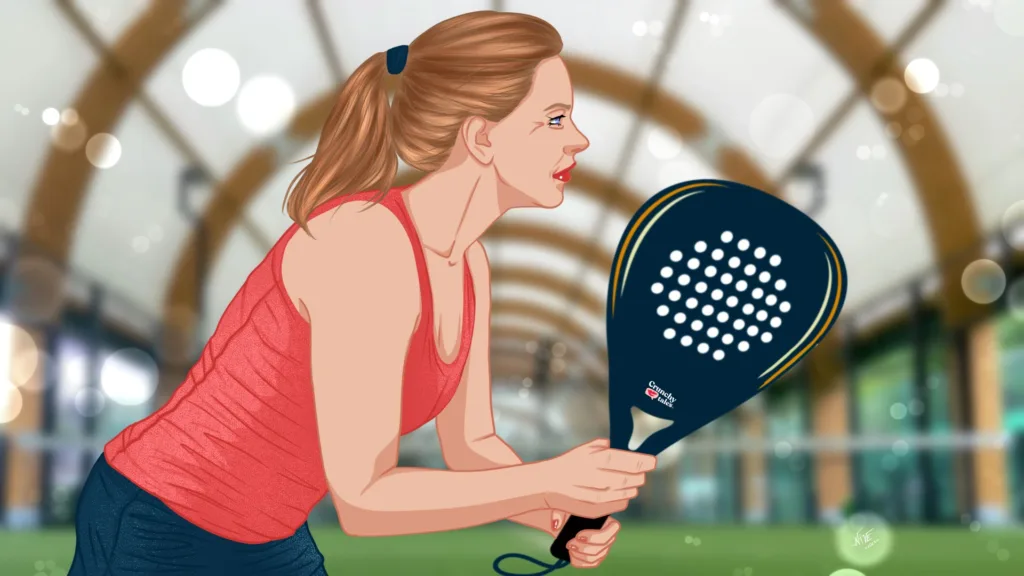
The Best Sports In Your 60s: Tennis, Padel and Friends
I can’t yet tell you what I’ll try in my 60s, but judging from some of my friends, and quite a few experts, the key seems to be choosing something that challenges both body and brain. Movement, at this stage, isn’t only about staying fit; it’s about staying sharp, social, and strong.
Think tennis, padel, or even table tennis. These racket sports demand fast footwork, quick decision-making, and constant strategic thinking — making them surprisingly complete workouts. It’s not just about cardio; it’s about agility, coordination, and keeping reflexes alive. And then there’s the social side: meeting at the courts, friendly rivalries, shared laughter — all proven mood-lifters.
The science backs this up. A large-scale study from the Copenhagen City Heart Study, published in the Mayo Clinic Proceedings, found that people who played tennis lived, on average, nearly 10 years longer than sedentary peers, far more than cyclists, swimmers, or joggers. Researchers concluded that the social and cognitive aspects of racket sports were key contributors to this longevity benefit.
Exercise physiologist Dr. Stacy Sims explains, “Tennis engages both the body and the brain, improving reaction time, memory, and overall mental acuity. It’s dynamic — every point is different — so your neuromuscular system and brain are constantly adapting.” Experts also note that the combination of aerobic exertion and social connection makes tennis one of the most sustainable lifelong activities for health and happiness.
I’ve seen this firsthand among friends in their 60s. One of them, Marika, a retired architect, took up padel after years of running. “It’s addictive,” she told me. “You’re constantly moving, but it never feels like exercise — it feels like play.” Another friend swears by her weekly doubles matches, claiming they’ve done more for her balance and mental sharpness than any gym session.
Table tennis or “ping-pong” as we all grew up calling it — is another underestimated gem. Research from Japan’s Fukuoka University found that regular table tennis players aged 60–80 showed better cognitive performance and hand-eye coordination than their non-playing peers. The game’s fast pace and unpredictable rallies demand concentration, timing, and tactical awareness — all crucial for brain health as we age.
And let’s not underestimate the community aspect. According to a Harvard School of Public Health study, strong social ties can increase lifespan by up to 50%, and sports that blend physical activity with friendship deliver this in spades. Whether it’s chatting between games, celebrating small victories, or laughing over missed shots, these moments add to the sense of belonging and joy that keep people coming back.

In Your 70s and Beyond: Dance, Dance, Dance
Call it sport or art, dancing is easily one of the best sports for midlife women—combining movement, music, and mood-boosting energy.
A review published in Alternative Therapies in Health and Medicine found that dancing one to three times a week significantly improves strength, balance, and coordination, while also reducing fall risk and boosting cognitive function. The review highlighted that dance — from ballroom to Zumba — uniquely combines aerobic exercise, rhythm, and social interaction, activating multiple parts of the brain that support memory and emotional regulation.
Dr. Joe Verghese, a neurologist at the Albert Einstein College of Medicine, has found similar results in his own research: “Dance isn’t just movement — it’s complex movement. The combination of coordination, rhythm, and social engagement stimulates neural pathways that can help maintain brain function as we age.” In fact, his landmark study in the New England Journal of Medicine (2003) showed that dancing was the only physical activity associated with a reduced risk of dementia among older adults.
Watching a dance class at my local community center, I was struck by a kind of radiant energy in the room. Women in their 60s, 70s, even 80s moved with grace and laughter that made their ages almost irrelevant. And why should it be? Energy and joy belong to every decade.
One woman, 72, told me she had taken up salsa after retiring: “It’s confidence, connection, and joy in motion.” Another participant, a former schoolteacher, said that learning new dance steps gave her the same sense of purpose she used to get from teaching — “my brain feels awake again.”
Science supports what those women already know intuitively: movement that brings joy sustains both body and spirit. A 2021 study in Frontiers in Aging Neuroscience found that seniors who participated in social dance programs showed improved balance, faster reaction times, and higher self-reported happiness than those who engaged in walking or gym-based workouts alone.
That’s the beauty of dance, it’s not about perfection or performance. It’s about connection: to the music, to your own rhythm, and to others.
I encourage every woman to experiment, explore, and move in ways that make you feel truly alive. Whether that means joining a dance group, picking up a tennis racket, swimming laps, or simply walking with friends, the key is to move with curiosity and joy.
Like this post? Support Us or Sign up to our newsletter to get more articles like this delivered straight to your inbox!
Related Posts



This Post Has 0 Comments